Photographing Koalas: Hard to Spot, Impossible to Miss Once You Do
Share
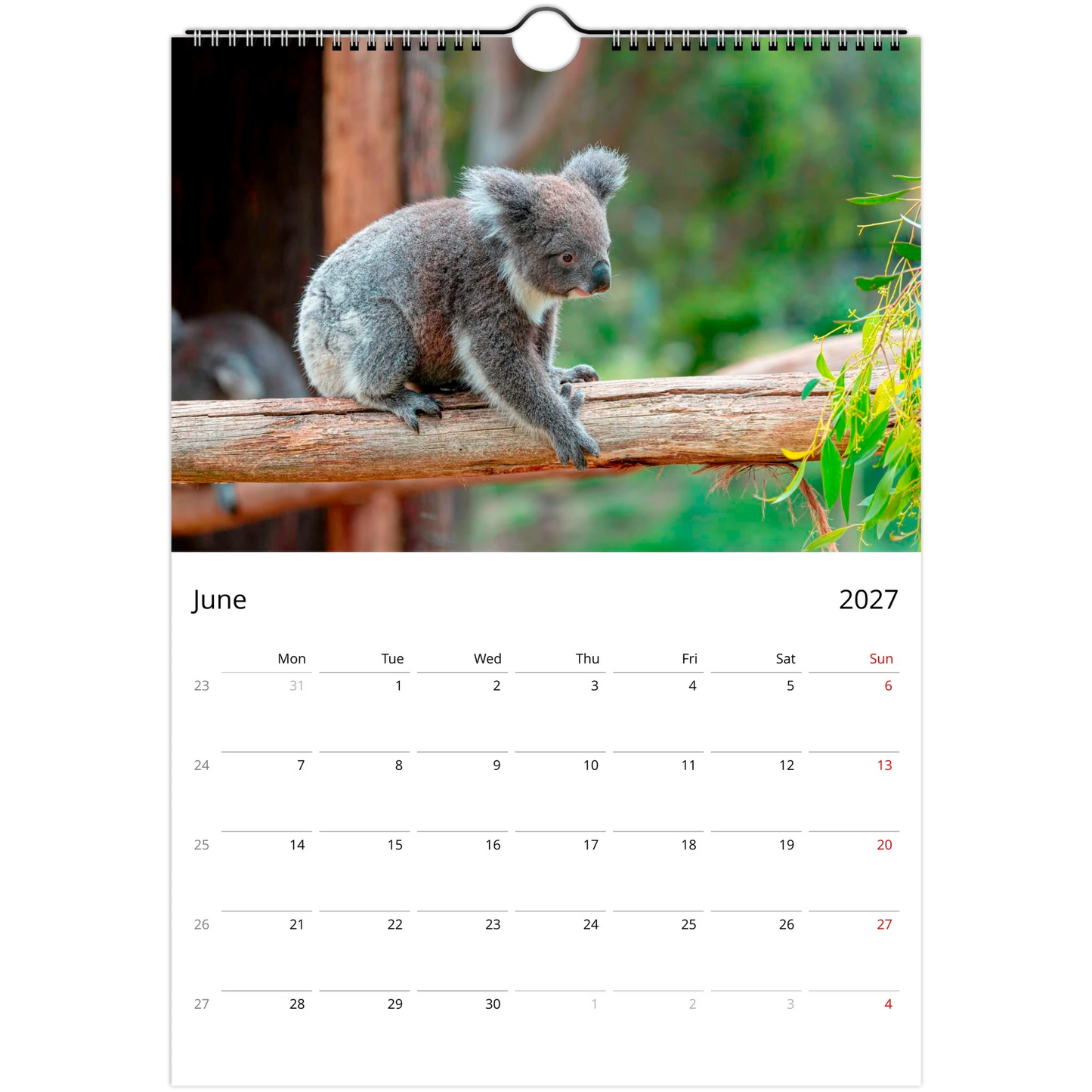
If there's one animal in Australia that makes photography genuinely easy, it's the koala. Not because they're easy to find — that part takes a bit of neck craning — but because once you've actually spotted one, it is, without exaggeration, one of the least demanding subjects in wildlife photography. Koalas sleep for around 18 to 20 hours a day. Once you've got one in your viewfinder, it isn't going anywhere fast.
Where to Find Them
A few reliable spots I keep coming back to:
- Great Otway National Park, along the Great Ocean Road — the manna gum forests here are prime koala territory, and it's not unusual to spot several in the treetops as you drive or walk through. This stretch is genuinely one of the best wild koala-spotting locations in the state.
- Koala Conservation Reserve, Phillip Island — an elevated boardwalk here puts you at eye level (or close to it) with koalas in the trees, which makes for a much easier shot than craning your neck up from ground level.
- Ballarat Wildlife Park — not wild, but an excellent and reliable source of koala photos if you want guaranteed sightings, closer viewing distances, and none of the uncertainty of a bush search.
The Technique: Finding the Grey Lump in the Fork of a Branch
Here's the genuinely funny part of koala photography: the hard skill isn't photographing them, it's finding them in the first place. A sleeping koala tucked into the fork of a eucalyptus branch looks remarkably like, well, a grey lump of tree. Most sightings start with someone squinting up into the canopy for several minutes before finally going "wait, is that... yes!"
Once you've spotted one, the actual photography is refreshingly low-pressure:
- Bring a telephoto lens. Koalas are almost always well up in the canopy, so something in the 200–400mm range gives you the reach to fill the frame without needing to get uncomfortably close.
- Watch your angle and the light. Shooting straight up into a bright sky is a recipe for a silhouetted koala and a blown-out background. Try to find an angle where some foliage or a cloud softens the sky behind them, or come back at a different time of day when the light's coming from a better direction.
- Be patient for the money shot, not the subject. The koala isn't going to run off mid-shoot — your real challenge is waiting for that rare moment it shifts position, opens an eye, or reaches for a fresh handful of leaves, rather than another twenty minutes of a perfectly still, sleeping ball of fur.
- A wide aperture helps. Isolating the koala from the tangle of leaves and branches around it with a shallow depth of field makes for a much cleaner, more striking shot than a busy, cluttered background.
In short: the search is the workout, the actual shoot is basically a nap photographed very patiently.
Where You Can See Them
Whether you catch one dozing wild along the Great Ocean Road, spot one from the Phillip Island boardwalk, or take the reliable option at Ballarat Wildlife Park, koalas remain one of the most rewarding, and least stressful, subjects in Australian wildlife photography.
And if you'd rather carry a koala than crane your neck for one, there's a personalised Koala Tote Bag.