My Favourite Places: Cape Schanck, Mornington Peninsula
Share
Some places earn their reputation. Cape Schanck is one of them.
It sits at the southernmost tip of the Mornington Peninsula, where the land runs out and the Southern Ocean takes over. There's nothing gentle about it. The cliffs are raw, the wind is persistent, and the light — when you catch it right — is extraordinary. I keep coming back, and I suspect I always will.
The Lighthouse
The Cape Schanck Lighthouse has been standing since 1859, and it looks like it means it. Perched above the cliffs in brilliant white, it's one of those subjects that photographs well in almost any conditions — golden hour, overcast skies, storm light, or the deep blue of pre-dawn.
But it's at night that it becomes something else entirely.
The Stairs
Getting down to the good spots at Cape Schanck requires commitment. The boardwalk and stairs that descend toward the coast are long and steep — the kind that make your legs aware of themselves on the way back up, especially when you're carrying a full camera bag and a tripod.
Worth it every time. The effort is part of it. By the time you reach the lower platforms and the ocean opens up in front of you, you've earned the view.
Night Photography and the Milky Way
Cape Schanck sits far enough from Melbourne's glow that the sky does things here that it simply can't do closer to the city. On a clear, moonless night, the Milky Way arches overhead with a clarity that still stops me in my tracks, even after all the times I've seen it.
The lighthouse makes a natural anchor for a night composition — its white tower catching ambient starlight, the galaxy stretching above it, the ocean a dark presence below. It's one of those setups where the hard part isn't finding the shot; it's choosing which one.
I've spent entire nights here, moving between compositions, watching the stars wheel slowly overhead, losing track of time completely. That's when you know a place has you.
My First Aurora
I wasn't expecting it the first time.
I'd driven down for a Milky Way session — clear forecast, new moon, the usual plan. But the aurora alerts had been active, and somewhere around midnight the southern horizon started to glow. Faint at first, then unmistakably green, with pillars rising into the sky above the ocean.
Cape Schanck, with its unobstructed view to the south and its near-zero light pollution, turned out to be exactly the right place to be. That first aurora image is one I'll never forget making. Not just for the photograph, but for the feeling of standing there watching it happen.
Pulpit Rock and the Waves
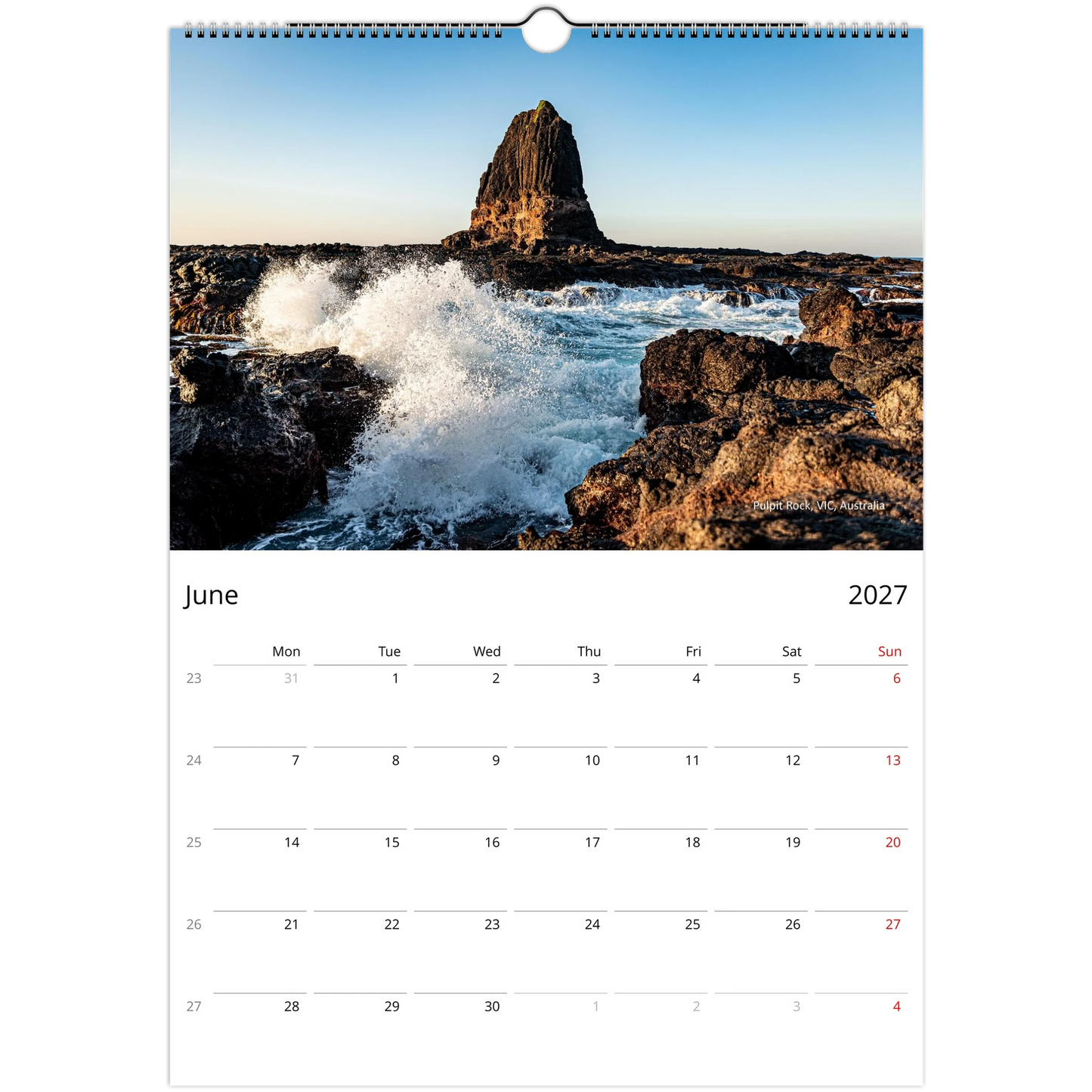
During the day, Pulpit Rock is the other reason to make the trip. This basalt formation juts out into the ocean below the main lookout, and when a decent swell is running, the waves hit it with a force that you feel as much as hear.
It's a dynamic subject — unpredictable, powerful, and endlessly variable. I've shot it in flat calm and in wild conditions, and the wild conditions win every time. The spray, the motion, the sheer weight of water against rock — it's the kind of scene that reminds you how small you are, which is exactly the right feeling to have when you're making photographs.
Why Cape Schanck
There are prettier coastlines, perhaps. More accessible ones, certainly. But Cape Schanck has a quality that's harder to name — a sense of being at an edge, both literally and photographically. The light is different here. The sky is different. The ocean demands your attention.
It's about ninety minutes from Melbourne on a good run. I've made that drive in the dark more times than I can count, and I've never once regretted it.