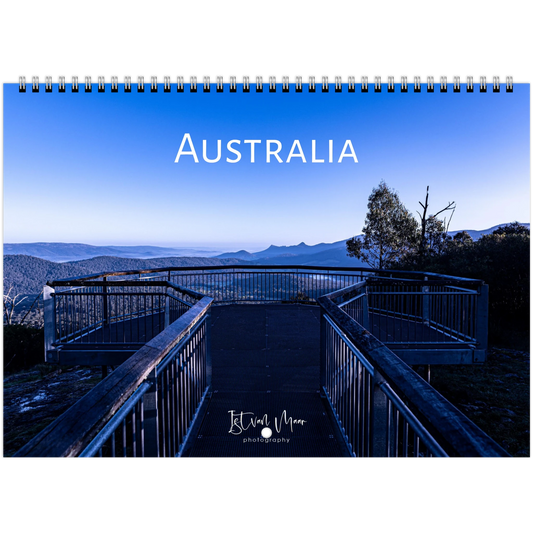
Why I Started Photography – and Why Calendars Became My Natural Language
Share
Photography rarely begins as a business plan. It begins as a pause.
A moment where something ordinary suddenly feels important enough to keep.
For me, photography started there—not as a profession, not as a product, but as a way of noticing the world more carefully. Over time, that simple act of observing became something deeper: a way of telling stories without words.
The “Why” Behind the Camera
Every photographer eventually reaches the same question: why am I doing this?
The answers are never purely technical. They are personal.
Many photographers describe starting because they wanted to preserve moments, explore creativity, or connect more deeply with nature and people. Others find that photography gives them focus—a way to slow down in a fast world and actually see instead of just look.
At its core, photography is about meaning. It is about turning fleeting light, emotion, and atmosphere into something that lasts.
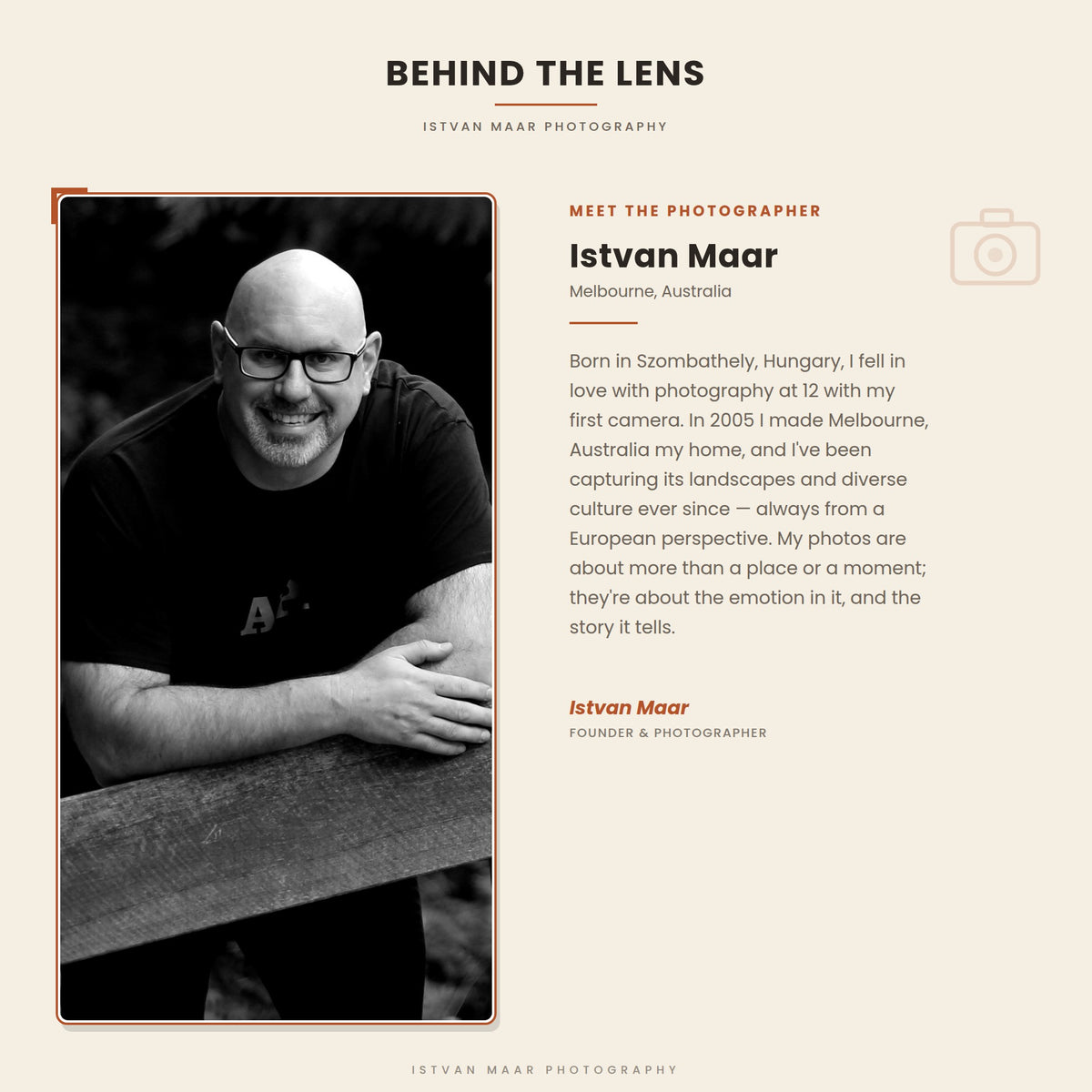
For Istvan Maar Photography, the driving force has always been simple:
To capture real moments in nature and everyday life that deserve to be remembered.
Why Nature Became the Main Subject
Nature has a way of removing noise.
It doesn’t perform. It doesn’t rush. It simply exists—changing slowly, honestly, and constantly.
That makes it one of the most powerful subjects in photography. Whether it’s birds in motion, quiet landscapes, or small seasonal details that most people walk past, nature photography is about attention.
Over time, I realized I wasn’t just photographing nature—I was learning from it. Patience, timing, light, and impermanence all become part of the process.
And those lessons naturally shaped the way the work evolved.
From Individual Images to a Bigger Story
A single photograph can stand on its own. But a body of work begins to tell something larger.
That is where calendars entered the story.
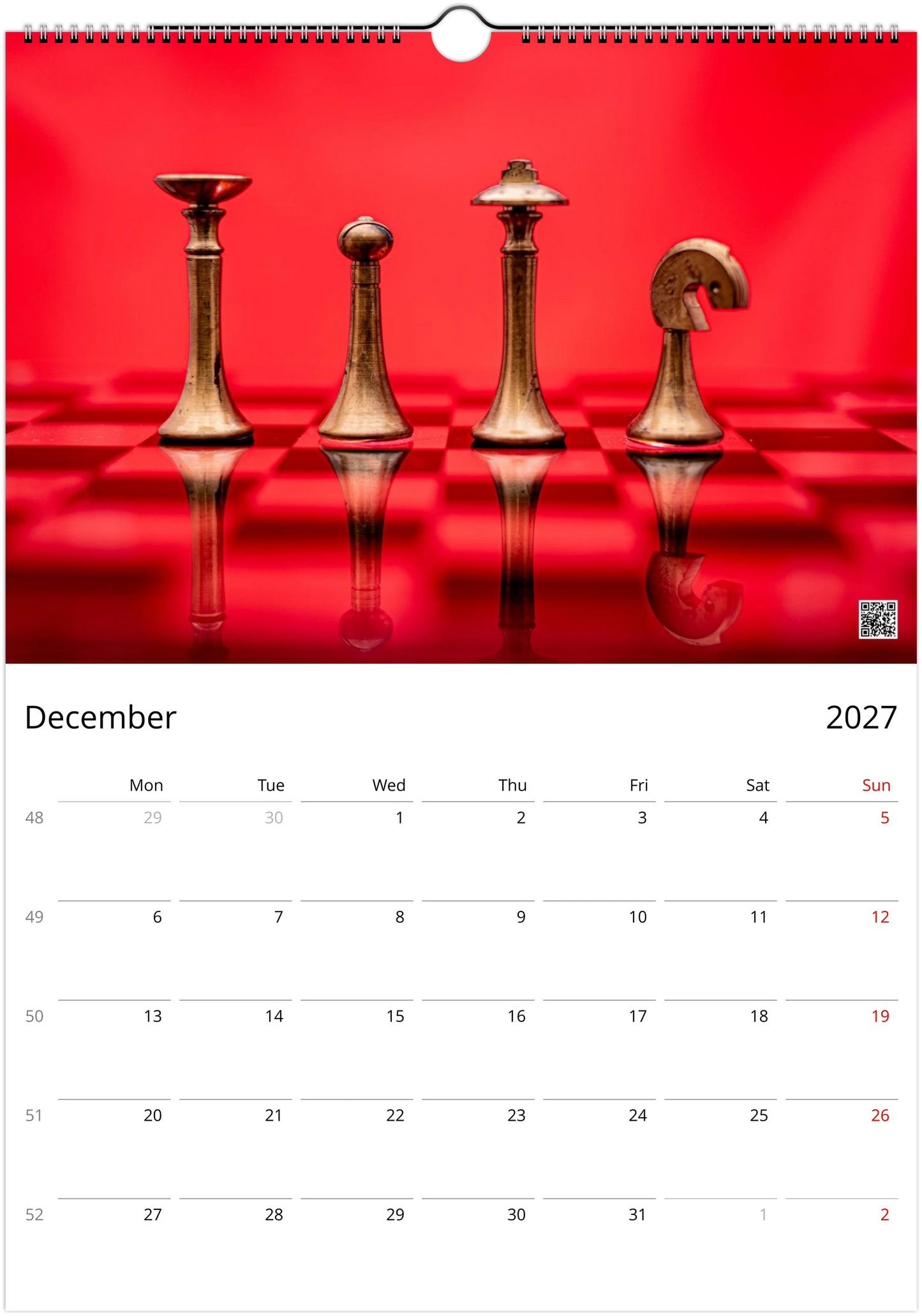
Unlike a single print or a digital image that appears and disappears in a feed, a calendar lives with people every day. It becomes part of their space, their routine, their year.
Each month is a new frame. Each page is a small pause.
Interestingly, I’ve also heard something quite beautiful from customers: many of them don’t go through the calendar in advance, even when they buy it for themselves or receive it as a gift. They prefer to leave each page unseen, so that every month becomes a surprise. A small reveal. A quiet moment of discovery. That reaction changed how I think about these calendars—not just as a collection of images, but as a sequence of experiences designed to unfold over time.
In a world full of screens and constant notifications, a printed calendar does something quietly radical—it stays.
Why Calendars Make Sense for Photography
Turning photography into calendars was not just a product decision. It was a natural extension of how the work is meant to be experienced.
A photography calendar:
- gives images time and presence
- brings art into daily life
- connects seasons with real visual moments
- transforms photography into something functional and emotional at once
Instead of a single moment being seen once, it is revisited every day for a month. That repetition creates connection.
And connection is ultimately what photography is about.
The Emotional Core of Printed Work
There is a reason printed photography still matters in a digital world.
Screens are fast. Images are infinite. Attention is fragmented.
But printed work slows everything down.
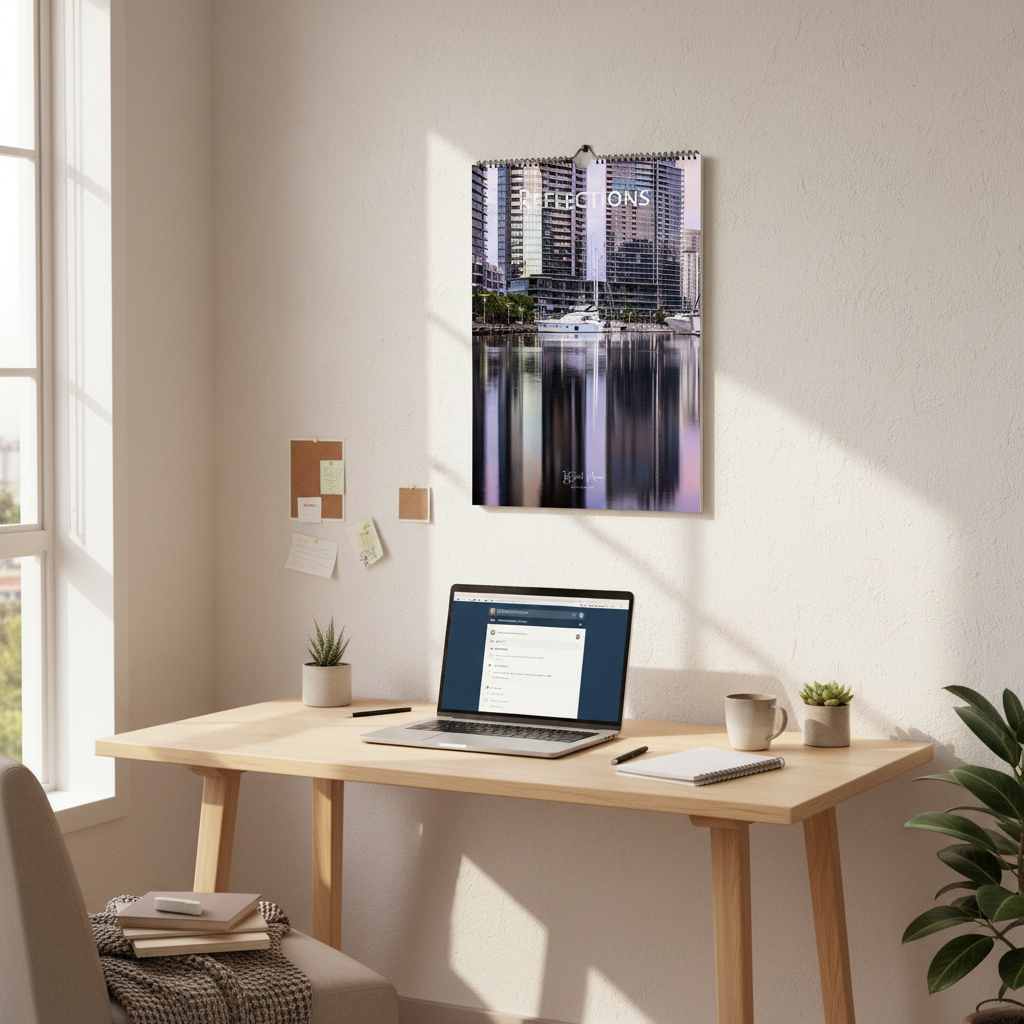
A calendar on a wall doesn’t scroll away. It doesn’t compete for attention. It simply exists—quietly, consistently—becoming part of a home or workspace.
For many photographers, this is the real goal: not just to be seen, but to be lived with.
A Continuing Journey
Photography is not a finished explanation. It is an ongoing practice of seeing.
The “why” behind it continues to evolve, but one thing stays the same: the desire to turn real moments into something lasting.
And calendars are one of the most honest ways to do that.
Not as decoration, but as rhythm.
Not as content, but as presence.